Rugged Small Form Factor Computing Solutions for Aerospace & Defense Applications
The rapid growth of Rugged Small Form Factor Computing Solutions, advanced sensors, tactical communications, and edge-based applications is driving demand for compact computing platforms capable of delivering reliable, high-performance processing in mission-critical environments. From next-generation radar systems and tactical communication networks to autonomous platforms and mission-critical control systems, modern missions are demanding computing solutions that deliver exceptional performance without compromising reliability or efficiency.
The rapid adoption of technologies such as Artificial Intelligence (AI), sensor fusion, edge computing, and real-time analytics has significantly increased the need for powerful embedded computing platforms. These technologies generate enormous amounts of data that must be processed quickly and accurately, often in environments where space, weight, and power availability are limited.
This blog explores how rugged Small Form Factor (SFF) computing solutions enable high-performance processing in space-constrained aerospace, defense, and industrial environments while meeting critical SWaP-C requirements.
Why SFF Computing Matters in Mission-Critical Applications
SWaP-C Optimization
Size, Weight, Power, and Cost (SWaP-C) remain fundamental design considerations across modern aerospace, defense, and mission-critical systems. Whether deployed in aircraft, ground vehicles, naval platforms, or unmanned systems, computing hardware must deliver maximum performance while operating within strict physical and power constraints.
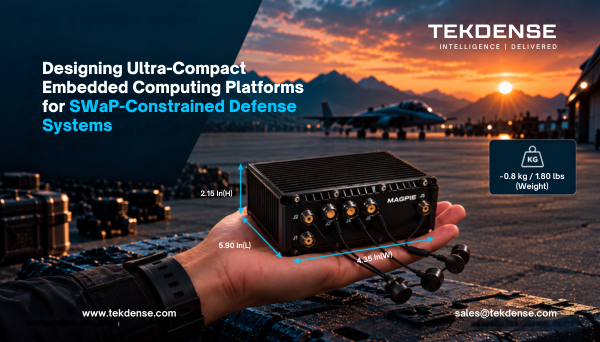
Rugged SFF computers, Including mini embedded computers are specifically engineered to maximize computational capability while minimizing system footprint, weight, and energy consumption.
Increased Deployment Flexibility
Mission-critical systems are often deployed in environments where available space is extremely limited and operational requirements vary significantly. From aircraft avionics bays and armored vehicles to naval platforms, mobile command centers, and unmanned systems, current deployment need compact embedded computing platforms that can be integrated seamlessly without requiring extensive modifications.
Improved System Efficiency
By consolidating processing capabilities into smaller, high-performance platforms, organizations can simplify overall system architecture and reduce the complexity of deployed solutions using hybrid COTS computing solutions.
Key Features of Rugged Small Form Factor Computing Platforms
Compact Mechanical Design
Rugged Small Form Factor computers are engineered to occupy minimal space while delivering maximum functionality and processing performance. Their compact mechanical design enables seamless integration into environments where space is at a premium.
High-Performance Processing
Modern aerospace, defense, and industrial applications generate massive volumes of data that must be processed, analyzed, and acted upon in real time. From advanced radar systems and sensor fusion applications to artificial intelligence, machine learning, and tactical communication networks, mission-critical operations require AI-edge computing platforms capable of delivering exceptional processing performance with minimal latency.
Ruggedized Reliability
Mission-critical environments expose rugged expandable computing systems to vibration, shock, dust, humidity, temperature extremes, and other challenging operating conditions.
Scalable Expansion Capabilities
As mission requirements evolve, computing systems must adapt accordingly. SFF platforms provide scalable rugged computing solutions that allow current deployments to enhance capabilities while maintaining a compact footprint.
Applications Driving Adoption of Rugged SFF Computing
- Mission computing systems for navigation, communication, surveillance, and command-and-control operations.
- Radar and advanced sensor processing applications requiring real-time data analysis and mission-critical decision making.
- Intelligence, Surveillance, and Reconnaissance (ISR) platforms handling large volumes of mission-critical data using AI-edge SFF computing systems.
- Electronic Warfare (EW) systems supporting threat detection, signal analysis, and countermeasure operations.
- Unmanned aerial, ground, and maritime platforms enabling autonomous mission execution.
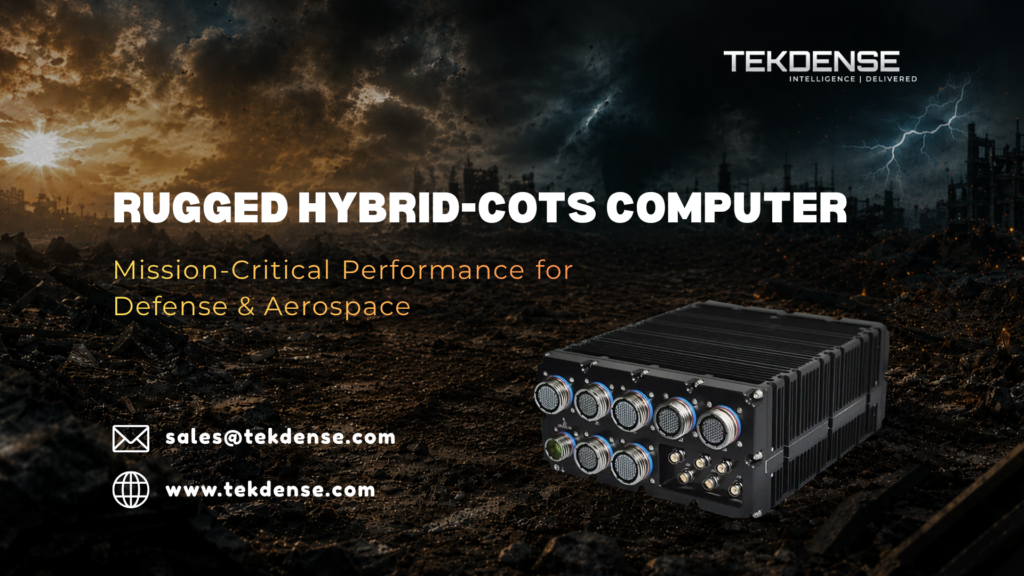
- Tactical communication networks requiring secure, reliable, and high-performance data processing supported by hybrid COTS computers.
- Sensor fusion and battlefield situational awareness systems integrating data from multiple mission sources.
- Airborne, ground, and naval platforms requiring SWaP-C optimized computing solutions for mission-critical operations.
Benefits of Open Architecture SFF Solutions
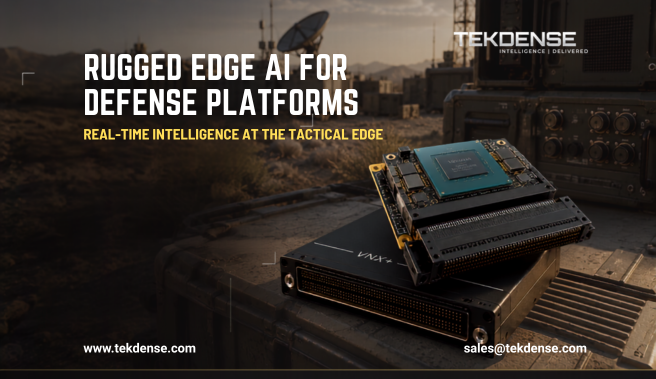
Open architecture Small Form Factor (SFF) computing solutions provide modern missions with the flexibility needed to adapt to rapidly evolving technology requirements while protecting long-term investments. By leveraging modular and standards-based architectures, such as the ANSI/VITA 90-based VNX+ ecosystem, modern missions can integrate emerging technologies without redesigning entire platforms, enabling a more future-proof approach to system development and modernization.
These solutions also help reduce lifecycle costs by simplifying maintenance, minimizing hardware obsolescence challenges, and allowing targeted upgrades instead of complete system replacements. This approach enables organizations to extend platform lifecycles while maintaining operational readiness and performance.
Open standards further enhance interoperability by facilitating seamless integration between hardware and software components from multiple vendors, reducing vendor lock-in and increasing deployment flexibility. Current deployments can also accelerate technology refresh cycles by upgrading capabilities as new processors, networking technologies, and computing requirements emerge while preserving existing infrastructure investments, as demonstrated by modular VNX+ architectures built on the ANSI/VITA 90 standard.
Conclusion
Rugged Small Form Factor computing platforms provide the ideal balance of performance, scalability, reliability, and SWaP-C efficiency required for modern mission-critical applications. As aerospace, defense, and industrial systems continue to advance, SFF solutions to deploy powerful computing capabilities within compact, ruggedized architectures while maintaining the flexibility needed to support future technology upgrades and evolving operational requirements.
Explore Rugged SFF Computing Solutions with Tekdense
Connect with Tekdense to discuss your requirements and discover computing platforms engineered for mission-critical performance and long-term reliability.
Website: https://tekdense.com
Email: sales@tekdense.com